A Peek Behind the Music Stand: Inside a Manea Silver Band Wednesday
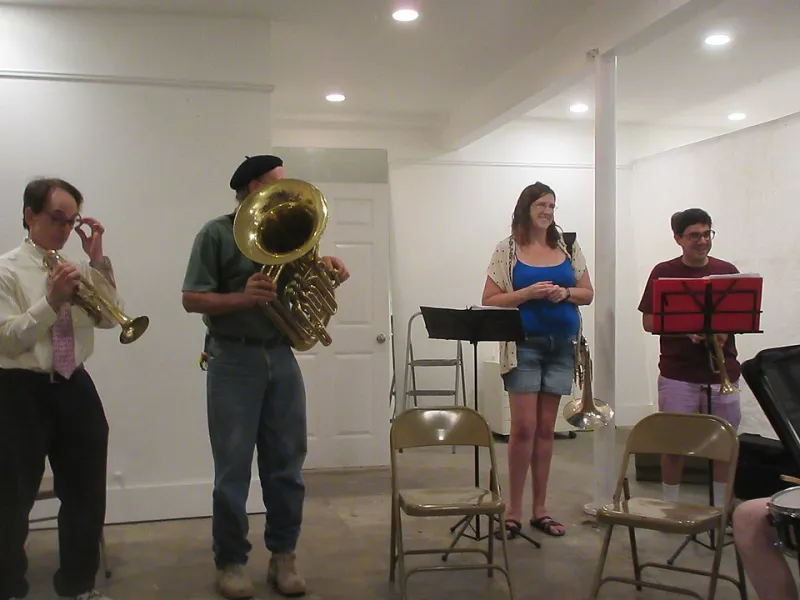
Photo: Infrogmation of New Orleans, CC BY 2.0, via Wikimedia Commons
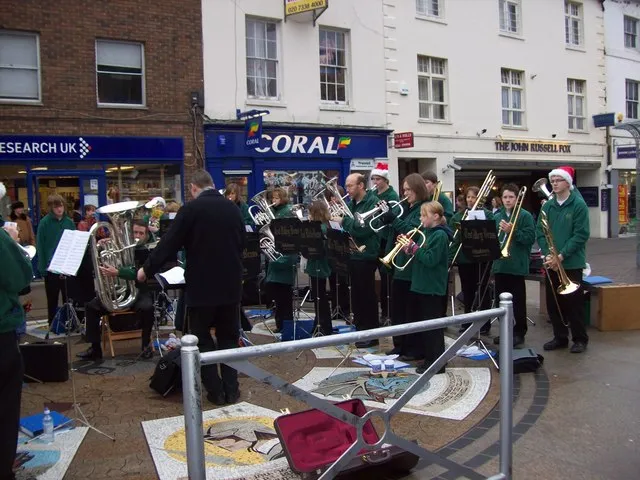
Wednesday night in Manea has a rhythm of its own. By about quarter past seven, cars start tucking themselves into the village hall car park, instrument cases begin appearing from boots and back seats, and someone can usually be heard asking whether the tea urn has been switched on yet. Welcome to band night.
As we head towards the close of 2026, we thought it was about time we pulled back the curtain a little. People often assume a brass band rehearsal is terribly formal — rows of players in uniform, perfect posture, hushed concentration. The truth is warmer, funnier and a good deal more human than that. It is also one of the best nights of the week.
The 7.15 Shuffle
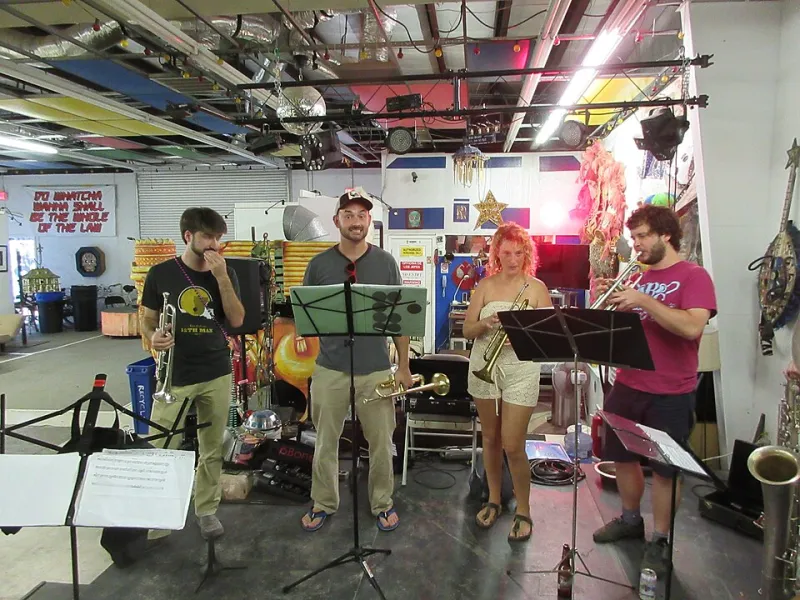
Nobody arrives all at once. The early birds are usually the cornet players, keen to claim the good music stands and spend ten minutes discussing the weather, the football or the state of the A141. Then come the lower brass, often carrying the largest cases and the strongest opinions about parking. The percussion section tends to arrive in a flurry of bags, beaters and mysterious bits of metal that look like they belong in a shed.
Our musical director calls it the shuffle. It is the ten minutes before rehearsal when chairs are rearranged, stands are adjusted and someone realises they have left their reading glasses at home. It is not glamorous, but it is part of the ritual. By the time the clock edges towards half past, the room has settled into that familiar buzz of instruments being warmed up and players catching up on village news.
First Notes and the Tuning Ritual
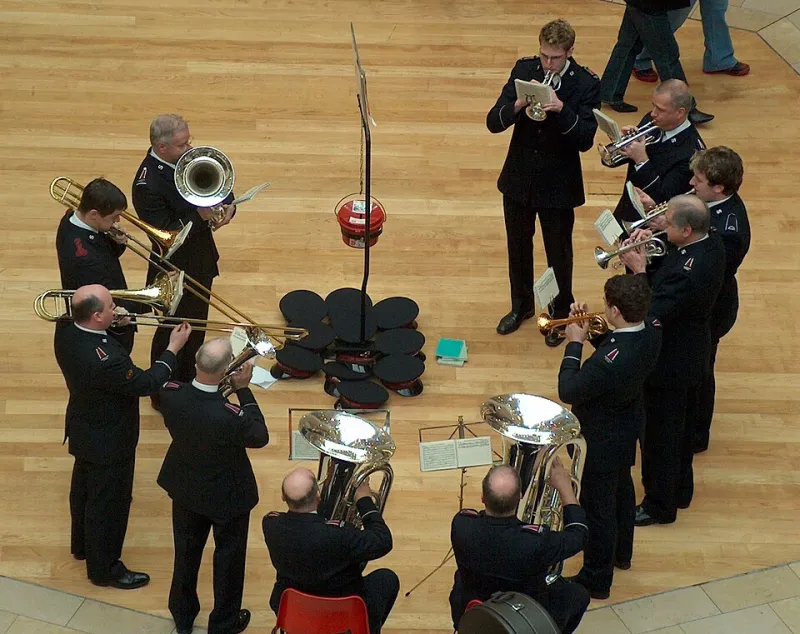
Rehearsal proper begins with tuning, which is a polite way of saying we all play a note and hope for the best. The principal cornet sets the pitch, the band follows, and for a few seconds the hall sounds like a very earnest flock of mechanical geese. Then the conductor raises a hand, the noise stops, and we are off.
We usually start with a hymn or a warm-up chorale. It is not just about loosening lips and fingers; it is about listening to each other. In a community band, listening matters as much as playing. You learn to hear the player beside you, to notice when a phrase needs a little more air, and to resist the urge to gallop ahead simply because you know your own part.
Where the Funny Bits Happen
Every rehearsal has at least one moment that would not look out of place in a sitcom. Recently, one of our percussionists spent a good five minutes searching for a missing beater before discovering it had been neatly placed in a mug of tea by an innocent bystander. Another week, a music stand gave up mid-march and deposited its contents across the floor with a clatter that stopped the whole band. The conductor simply waited, pencil raised, until the pages were gathered and we began again.
Then there was the mobile phone incident. It was not on silent, and its ringtone was something between a foghorn and a novelty doorbell. The owner was mortified. The rest of us were far too amused. It is that sort of room: serious about the music, but never so serious that we cannot laugh at ourselves.
The New March Test
On a typical Wednesday we will work through two or three pieces. At the moment we are giving a new march a good going-over. The first run-through is always an adventure. Entries arrive early, entries arrive late, and the conductor occasionally stops the band to ask, very politely, whether the second trombones are aware that the page has two sides.
By the third attempt, something clicks. The rhythm tightens, the dynamics start to make sense, and the tune begins to sound less like a collection of separate parts and more like a band. That is the bit we all chase. When the final run-through lands, even roughly, there is usually a small round of applause from the players themselves. Not because we have nailed it, but because we can hear where it is going.
What to Expect If You Visit
If you have never been to a rehearsal, you might be wondering whether you would feel out of place. Short answer: you would not. Visitors are welcome, whether you play, used to play, are thinking about learning, or simply fancy hearing what a brass band sounds like from the inside.
Here is a rough guide to what to expect:
- A friendly welcome. Someone will say hello, offer you a chair and probably ask if you want tea.
- Plenty of noise. Brass instruments are not shy. The hall can get loud, especially when the percussion joins in.
- Real music-making. You will hear us working on pieces rather than performing polished versions. Expect stops, starts, pencils and the occasional sigh.
- A relaxed atmosphere. We take the music seriously, but we do not take ourselves too seriously.
- No pressure. You can sit and listen, ask questions, or have a go if you play. There is no audition to watch a rehearsal.
Come and See Us
A Wednesday night in Manea is not just a rehearsal. It is a weekly coming-together of neighbours, friends and music lovers from across the Fens. It is where a teenager sits beside a retired farmer, where a beginner learns from someone who has been playing for decades, and where the tea break is almost as important as the music.
So if you have ever been curious about the band behind the posters, the concerts and the fundraising stalls, consider this an open invitation. Come along, listen for a while, and see what happens when a village hall fills up with brass. You might just find yourself tapping your foot — or reaching for an instrument you thought you had left behind.