Honk If You're Curious: Inside the Joyful Chaos of Our Instrument Petting Zoo

Photo: Internet Archive Book Images, No restrictions, via Wikimedia Commons
Picture the scene. A village hall in the Fens, a stack of chairs pushed to one side, and a tuba resting on a folded blanket like an oversized brass pet waiting for a walk. A child approaches with the caution normally reserved for a sleeping dog. They lean in, lips pursed, and produce a sound somewhere between a foghorn and a happy cow. The room erupts. That, in a nutshell, is our instrument petting zoo.
Not a concert, not an audition
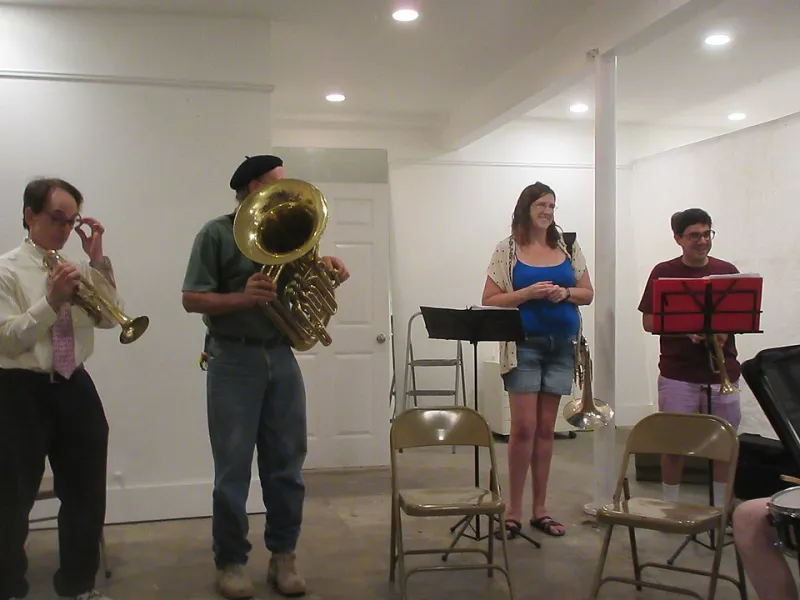
We set out cornets, tenor horns, a euphonium, a trombone, a tuba and a small percussion corner. There is no stage, no programme and absolutely no expectation that anyone will play a tune. Volunteers stand beside each instrument family, ready to show a visitor how to hold it, where to put their lips and how to make the first brave noise. Parents hover, pretending not to want a go. Grandparents tell us they played cornet at school. Teenagers drift in with folded arms and leave with a new ambition. The whole point is curiosity, not quality.
The beautiful noise of first attempts
A petting zoo is never quiet. Five cornets can sound like a flock of distressed geese. A trombone slide may come within inches of a tea urn. Someone always discovers the lowest note on the tuba and wants to share it with the entire hall. But inside the chaos are the moments that matter. A shy child comes back for a second try. An adult asks whether it is too late to learn. A family writes their name on the beginner band list. One good honk can lead to a lifelong hobby, and we have learned to measure success in smiles rather than scales.
The slobber question
Yes, brass instruments collect condensation. Yes, children put their mouths on things. This is why a petting zoo needs a hygiene station before it needs bunting. We use spare mouthpieces for every instrument, clean them between players and keep a tray for used ones and another for clean ones. Mouthpieces are never shared without cleaning. We wipe down instrument bodies, keep hand sanitiser by the door and put paper towels and a bin where volunteers can reach them. It is not glamorous, but it is essential. A clean mouthpiece is the difference between a joyful first lesson and a worried parent.
Do's and don'ts for other community bands
If your band is thinking of running a similar event, here is our short list.
Do
- Do set up the cleaning station before the first visitor arrives.
- Do bring spare mouthpieces for every instrument.
- Do have one knowledgeable volunteer per instrument family.
- Do invite grown-ups to try; they are often the ones who sign up next.
- Do collect names and contact details for follow-up.
- Do check your insurance, risk assessment and safeguarding arrangements.
Don't
- Don't expect silence.
- Don't let anyone play an instrument without a clean mouthpiece.
- Don't turn the event into a competition or an audition.
- Don't use a prized antique instrument as the demo model.
- Don't schedule it against a big local event.
- Don't forget to thank the parents, helpers and village hall committee.
Why it works
A poster says learn brass. A tuba says have a go. The instrument petting zoo removes the fear of looking silly because everyone looks a bit silly. It gives people a sound to remember, a volunteer to talk to and a clear next step. Our best recruitment tool is not a leaflet; it is a mouthpiece, a patient helper and a child who suddenly realises they can make a magnificent noise. Keep an eye on our events page for the next chance to honk, parp or rumble with us.