The Bars Where Nothing Happens: A Quiet Defence of Manea's Rests
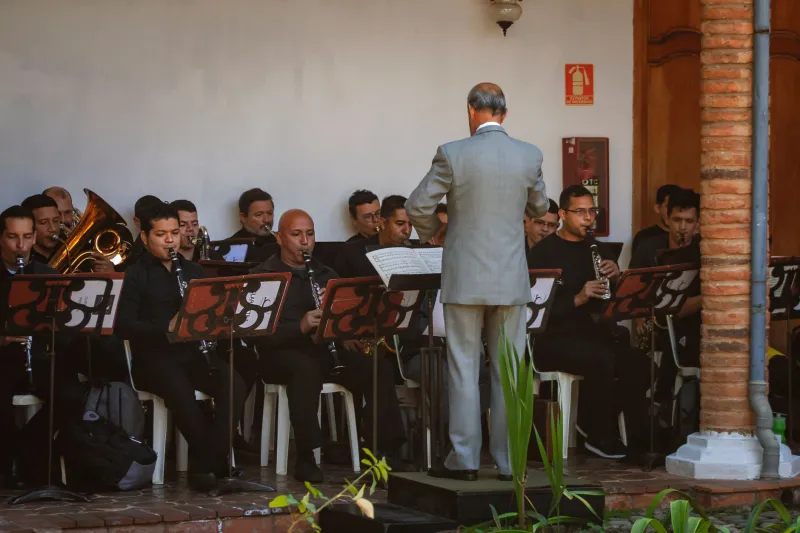
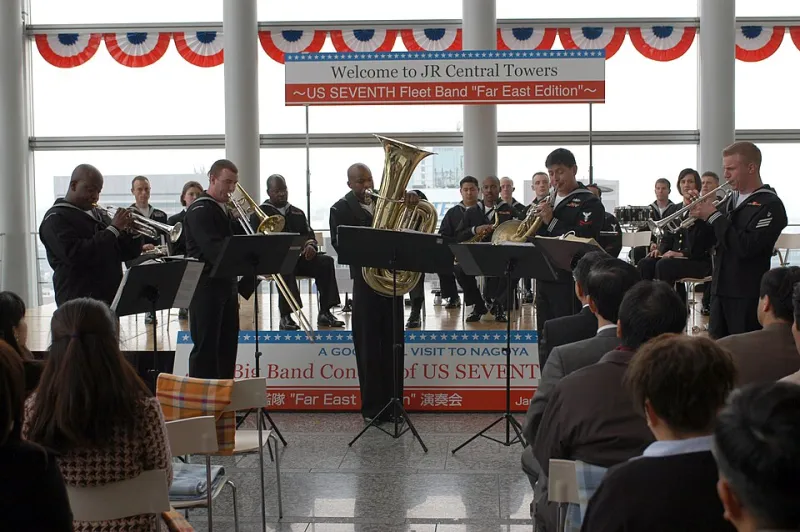
There is a moment in most Manea Silver Band rehearsals when the room goes quiet and somebody says, quite cheerfully, that bars 34 to 41 are a rest for most of us. To a visitor, it can look like a tea break that has arrived early. To the band, it is work. The pencils come out, the counting starts, and thirty-odd people quietly agree to do nothing together for eight bars.
That is the strange magic of brass banding. We spend hours on the loud bits, the tricky runs and the big finishes, but the music only really holds together because of what happens in between. The rests are not empty. They are full of listening.
The Loudest Thing in the Room Is Often a Pencil
New players often arrive thinking a rest is free time. Fair enough. In the beginning, the priority is finding the right note and getting it out before the conductor’s arm comes down. But once you have been in the band a while, you learn that a rest is not a holiday. It is a job with no uniform.
You count. You watch. You breathe. You listen to the horns finish their phrase, or the trombones settle into a chord, or the percussion mark the beat with the smallest possible gesture. You keep your instrument ready, because the entry is coming whether you are ready or not. And you try not to shuffle your music at the exact moment the audience has been persuaded that the village hall has gone completely silent.
In our Wednesday rehearsals, that silence has its own sound. The radiators tick. Someone’s foot taps a fraction behind the beat. The tea urn in the corner gives a little rumble. And then the conductor lifts a finger, or the principal cornet gives the tiniest nod, and the band comes back in as if it had never left.
Counting Is a Team Sport
There is a lovely misconception that rests are passive. They are not. Counting is one of the most active things we do. A player who loses count is not simply late; they are suddenly a soloist in a piece that was not expecting one.
So we cue each other. Not with anything dramatic, usually. A raised eyebrow. A glance across the stands. The tuba player shifting their shoulders in a way that means the low end is about to return. The conductor’s left hand shaping a phrase before the right hand brings anyone in. These are small things, but they are the quiet choreography of a band that trusts each other.
When it works, the rest becomes part of the tune. A phrase ends, the hall holds its breath, and then the next phrase arrives with more weight because of the gap before it. A band that never rests is just a very loud room. A band that knows how to stop is something else entirely.
What the Audience Can Hear If They Lean In
At the next Manea village-hall concert, you do not need to read the music to notice this. You only need to listen for the edges.
Listen to how a chord decays before the next one begins. Listen to the hush before a slow hymn, or the split second after a march finishes when nobody quite wants to clap yet. Listen to the way an entry lands after a long pause. That moment — the breath before the tune returns — is often the most honest part of the performance.
It is also the part that can go wrong. A rest is where confidence shows. If the band is unsure, the silence feels twitchy. If the band is listening, the silence feels deliberate. By the time we reach a concert, most of that work has already happened in the rehearsal room, usually with the same eight bars played four times while somebody says, patiently, that we are not quite together on the entry.
The Rehearsal Room Version of Holding Your Breath
One of the best things about a community band is that the learning happens in public, among friends. We rehearse the rests as much as the notes. We rehearse the look up. We rehearse the wait. We rehearse the moment when the conductor’s baton is not doing anything dramatic at all, and everyone still knows exactly where they are.
It can feel odd at first. New players want to play. Experienced players want the new players to play too — but at the right time. So we count out loud, we mark parts, we laugh when someone comes in a bar early, and we go again. Nobody minds. That is how a band becomes a band rather than a collection of people holding brass instruments in the same hall.
Why Restraint Sells the Big Tune
There is a reason the big tunes feel big. It is not just volume. It is contrast. If everyone plays all the time, the audience has nothing to lean towards. The rests give the music shape. They let a phrase breathe. They make room for the melody to come back in and mean something.
That is why the quiet parts of our programmes matter so much. A slow air, a hymn, a carol with a single line of melody and a lot of space around it — these are not filler. They are the moments when the band asks the audience to listen more closely. And in a village hall, with the lights on and the raffle table at the back, that closeness is the whole point.
A Small Request for the Next Concert
So if you come along to a Manea Silver Band concert this winter and you hear us stop, please do not worry. We have not forgotten where we are. We are counting. We are listening. We are waiting for the right moment to come back in.
And if you listen carefully, you might hear the rest as well — the small, shared silence that turns a room full of players into one breathing thing. It is not printed in the programme, and it does not get a round of applause. But it is one of the most underrated instruments we have.