Frozen Valves, Full Kettles: How Manea Silver Band Gets Through a Fenland Winter
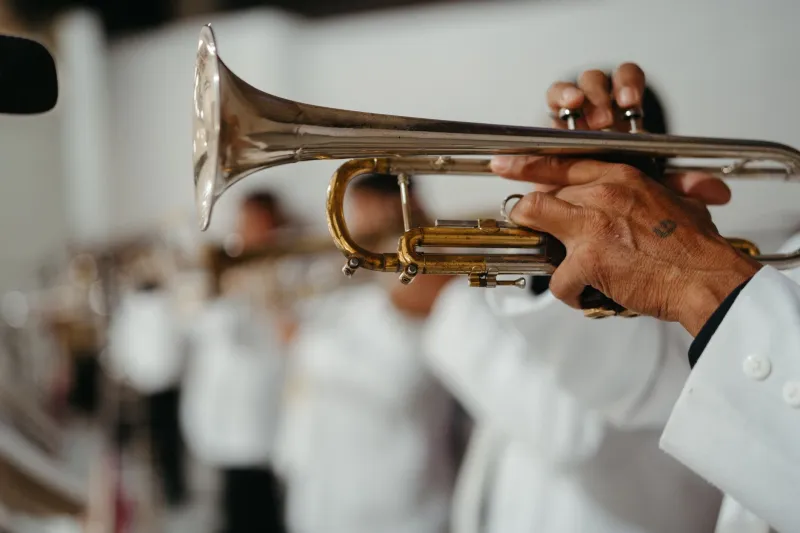
There is a specific noise a trumpet case makes when it has spent four hours in a car parked on a village hall forecourt in January. It is not quite a creak. It is more of a reluctant sigh, as if the instrument inside has considered its options and decided it would rather stay where it is.
Anyone who plays in a brass band in the Fens knows that sound. We are, as a region, extremely good at winter. The land is flat, the wind has nothing to slow it down between here and the coast, and the village hall heating system is a noble but frequently outmatched piece of machinery. So the question is not really whether it will be cold on a Wednesday night in Manea. It is how we work around it.
The physics of a cold cornet
Brass instruments are, fundamentally, tubes of metal with opinions. Warm them up and they behave. Let them get cold and everything tightens. Valve oil thickens into something closer to treacle, slides refuse to budge, and the valves themselves develop a slow, sticky action that makes a fast passage feel like running through wet sand.
So we do what banders have always done: we plan for it. Instruments travel inside the car, not in the boot. Mouthpieces go into pockets ten minutes before the off, which looks odd but works. Some of us bring instruments in early and let them sit near the radiator while the chairs go out, on the theory that a cornet that has been in the warm for half an hour will repay you in the first item.
There is also condensation, which is the winter band's least glamorous enemy. Warm breath through a cold instrument produces water at a rate that surprises even people who have done this for decades. The floor around the horn section after a cold rehearsal is a small, unfortunate lake. Emptying the water keys has to happen more often, and the phrase "sorry, just a moment" gets a real workout.
The kettle is not a metaphor
Every band has a person who arrives early to put the urn on, and in winter that person is the most important member of the organisation. Ours is not a ceremonial role. It is load-bearing.
The tea table is where the rehearsal actually begins. You come in from a car park that has been doing its best impression of a freezer, you get a mug in your hands, and for a couple of minutes nobody talks about crotchets or entries. People compare how cold their drive in was. Someone mentions the gritter. Someone else reports that the road out towards the main road was fine but the corner by the phone box was not.
Then the biscuits come out, and the instruments come out, and the evening gets going.
We have, over the years, developed a small winter kit that lives by the door of the hall: spare blankets for anyone who feels the cold in the back row, a hot water bottle that gets passed around like a relay baton, and a stash of fingerless gloves that a couple of players swear by and the rest of us find hilarious until about the second week of December.
Tuning drift and other small betrayals
Cold does strange things to pitch. A band that was perfectly in tune in September will, in a chilly hall, find itself drifting sharp as the evening goes on and body heat slowly warms the instruments. The first number can be lovely. The fourth can be a negotiation.
Our conductor deals with this the way conductors always have: with a raised eyebrow and a tuning note, then again later, then again. Nobody minds much. It is part of the ritual, like the moment someone's music stand collapses or the perennial question of whether the second cornet has remembered their mute.
There is a serious side to it, of course. Cold hands are slower hands, and the trickier passages in the winter programme get a bit more rehearsal time than they might otherwise need. We are not too proud to take things down a notch in January and rebuild them in February. That is what rehearsal is for.
Why we don't just pack it in until March
Here is the thing that outsiders sometimes miss about a village band. The playing is the point, but it is not the only point. Wednesday nights in winter are also the one time in the week when a fairly wide spread of people from around Manea and the neighbouring villages end up in the same room, doing something together that isn't scrolling or shopping.
You get teenagers sitting next to people who have been playing longer than the teenagers have been alive. You get someone who has had a difficult week and says almost nothing until the tea break, and then says quite a lot. You get the small, unglamorous business of a community looking after itself, with a bit of music on top.
Cancelling a rehearsal because it is cold is always tempting. It has been tempting every winter I can remember. We have done it once or twice, on the nights when the forecast was genuinely grim and nobody wanted to be the one driving home on an untreated road. But the default is to meet. The kettle goes on, the blankets come out, the valves get warmed, and the band plays.
Coming along, warmly
If you have been thinking about coming to listen, or about picking an instrument back up after a long gap, winter is honestly not a bad time to do it. The hall is full of people who have made the same cold drive you just made, and they will be pleased to see you. There is always a spare mug.
If you are coming to a winter rehearsal or one of our colder-weather engagements, the practical advice is genuinely practical: bring a warm coat, wear something on your feet that can survive a village hall floor, and don't be shy about sitting near the radiator. We'll sort the rest. Brass bands in the Fens have been getting through winters for a very long time, and the secret has never really changed. Keep the instruments warm, keep the kettle full, and keep turning up.