Coffee, Consensus and a Contested Waltz: The Night Manea Chooses Its Tunes
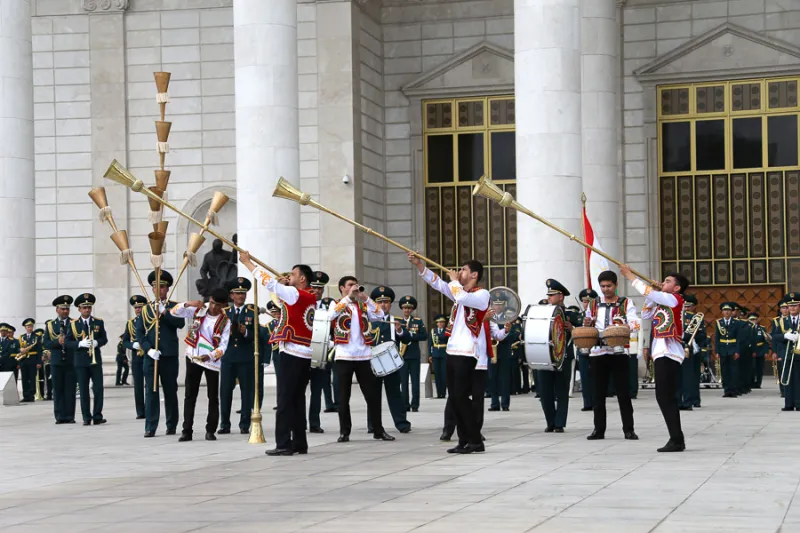
Photo: Mil.ru, CC BY 4.0, via Wikimedia Commons
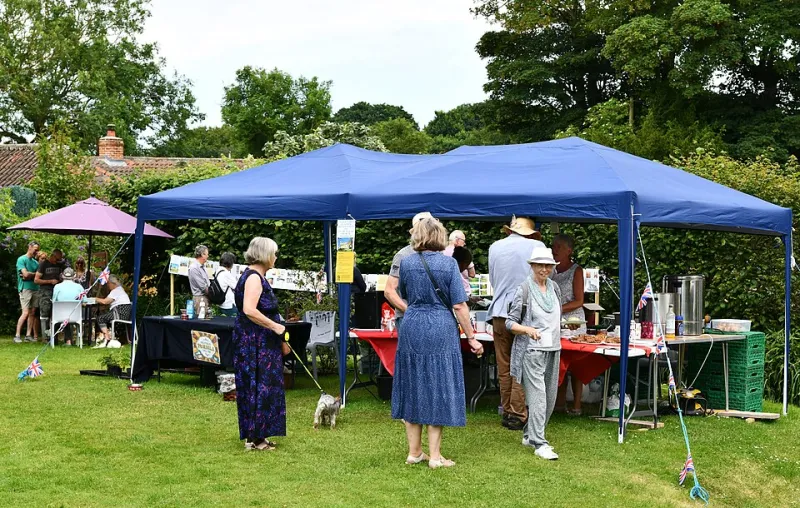
There is a particular sound a village hall makes when it isn't being used for music. Chairs dragged into a rough semicircle. A table pushed against the wall. The clunk of a tea urn being switched on by someone who has done it a thousand times. That was the soundtrack to our programme night last week — no instruments out of cases, no warm-ups, just a pile of scores, a laptop with a spreadsheet on it, and about twenty people who all have opinions about tunes.
It is, genuinely, one of my favourite evenings of the band year. Nobody is nervous about a top C. Nobody is counting bars' rest. We are just a group of Fenland folk trying to work out what an audience in Manea might actually want to listen to on a cold Saturday in the new year.
The list that arrives before the meeting
Our musical director doesn't walk in empty-handed. There's always a draft — a starting point typed up days earlier, with running times in one column and a hopeful note in another about what needs rehearsal time. Some of it is wishful thinking. Some of it is there purely to be shot down, and I suspect that's deliberate.
By the time the kettle boils, the draft has already been amended in three different pens. Someone has added a march. Someone else has crossed out the march. A tenor horn player is quietly lobbying for something with a decent countermelody, and a percussionist is asking, reasonably, whether we can avoid a piece that requires four instruments we don't own.
This is the unglamorous truth of banding: a concert is built about six weeks before anyone plays a note of it.
The untouchables
Every band has them. The pieces that go on the list before the list exists, because you'd have a mutiny on your hands otherwise.
For us it's a handful of things the village simply expects. There's the march that opens the second half, the one that gets the foot-tapping going before anyone has had a chance to get restless. There's the slow number that a certain section of the audience asks after every single concert, and which we have learned to programme pre-emptively so nobody has to ask. And there's the novelty piece with the silly bits in it, which the players secretly enjoy far more than they let on.
Putting them on the list isn't laziness. It's knowing the room. A Manea audience isn't a competition adjudicator. They've come out on a drizzly evening, paid a fiver at the door, and they want to go home humming. If we can guarantee three hums and one laugh, the rest of the programme gets a lot more room to breathe.
The risky one
Then there's the piece that causes the long silence.
This time it was a new arrangement — a folk tune, lightly done, with a couple of harmonic twists that don't land where your ear expects them to. Our MD played a rough recording through a phone speaker, which is never the fairest audition, and the room went quiet in that specific way that means half the band is intrigued and the other half is doing mental arithmetic about rehearsal time.
What followed was a very Fenland sort of debate. Nobody said "I don't like it." People said things like "it's lovely, but is it us?" and "how many weeks would we need on the middle section?" One of the younger players pointed out that it was the only thing on the list under four minutes that wasn't a march, which was a good point, well made.
We voted for it. Narrowly. It goes in — with a caveat that we rehearse it early and, if it isn't settling by the second week of December, it gets swapped without drama. That's the deal, and it's a fair one.
The piece somebody always begs to retire
You knew this bit was coming.
There is one arrangement in our library that has done sterling service for years and which, if I'm honest, a good third of the band would happily see quietly filed at the back of the cupboard. It's not bad. It's just been played. A lot. Some of the parts are held together with tape and hope, and there's a page turn in the second cornet part that has caused more than one interesting moment.
Every programme night, someone raises it. Every programme night, someone else points out that it fills the hall, that people know it, and that the alternative is a piece we'd have to learn from scratch in a fortnight.
The compromise, in the end, is usually the same: it stays, but not this time. Or it stays, but we re-score the opening. Or it stays, and we all agree to stop complaining about it until roughly February. That last one is the most popular option.
What the hall decides
Here's the thing people outside banding don't always realise: the venue has a say. Not literally — the village hall committee doesn't review our setlist — but practically, it shapes everything.
Our hall is warm and forgiving and not enormously deep, which means fast passagework can turn to porridge if we're not careful, and quiet playing carries beautifully if the audience is on side. We programme for that. We put the delicate things where the room is at its most attentive, and we don't stack three loud numbers back to back just because they're all good.
We also think about who's sitting out there. There'll be people who've been coming for thirty years and people who've never heard a brass band in their lives. There'll be children who will get restless at roughly the twenty-minute mark regardless of what we play. So the programme gets built with a shape to it — something to grab the room, something to settle it, something to send them home with.
After the last cup
By half nine the list was agreed, the spreadsheet had been saved under a filename nobody will be able to find again, and the chairs were stacked. What we'll actually play in the new year is roughly eighty per cent settled and twenty per cent subject to the usual winter chaos of illness, weather and someone's car failing its MOT.
So if you're in the hall for our next concert and you hear a familiar march, a slightly baffling folk tune and — yes — that arrangement again, you'll know how it got there. It wasn't handed down from on high. It was decided by a room full of people with lukewarm tea, strong feelings about page turns, and a genuine wish to give Manea a good night out.
That's the setlist. It's never just a list of tunes.