A Table of Small Kindnesses: Inside the Manea Silver Band Raffle
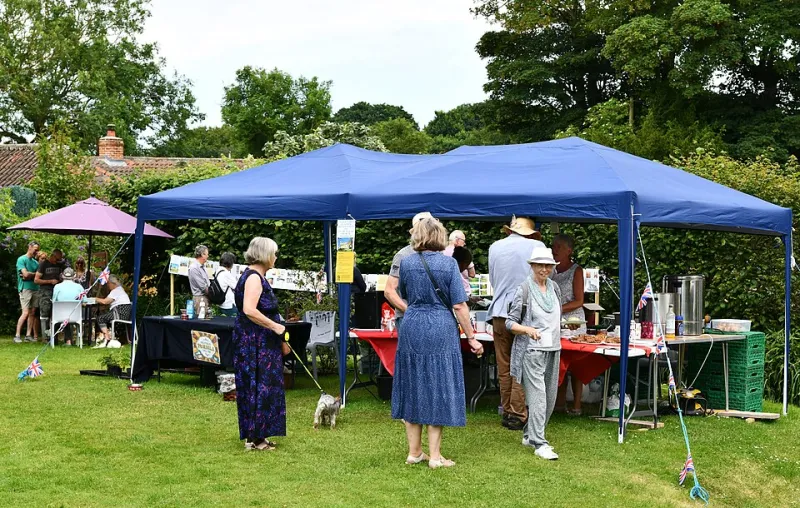
Photo: Michael Garlick , CC BY-SA 2.0, via Wikimedia Commons
There’s a particular smell that hits you before you even see the table: a mix of old paper, faint lavender from a knitted tea cosy, and the sugary promise of a box of Roses. It’s the raffle table at a Manea Silver Band do, and if you’ve been to one of our concerts or coffee mornings, you’ll know it well. Spread across a pasting table borrowed from the village hall, the prizes are never flashy. But they are, in their own quiet way, a perfect portrait of Manea.
A Map of Who We Are
Take a look at what’s on offer. A jar of marmalade with a handwritten label—‘Seville, Jan 2026’—from a band member’s allotment. A voucher for a fish supper at the chippy on the High Street. A bottle of something red that’s been re-gifted at least twice, and everyone knows it. A knitted blanket in Fenland colours, made by a supporter who’s been coming to our Christmas concerts for longer than most of us have been playing. A paperback thriller, a box of shortbread, a small hamper of tea and biscuits.
Each prize is a small kindness. And together they form a map of the village—who grows things, who bakes, who runs a business, who has a spare bottle going. The raffle table doesn’t just raise money for the band. It shows us the web of people who keep us going.
The Economics of a Jar of Jam
Let’s be honest: a raffle ticket is a fiver, and most prizes are worth less than that. But that’s not the point. Over the course of a year—our spring concert, the summer fete, the Christmas lights switch-on—the raffle brings in a few hundred pounds. That money goes straight into the band fund. It pays for new music stands when the old ones finally give up. It covers the hall hire for extra rehearsals before a contest. It puts fuel in the van for an away gig. It buys valve oil and reeds and the occasional set of strings for the double bass.
In 2026, the cost of keeping a community brass band running is not small. But the raffle, piece by piece, helps. And because the prizes are donated, almost every penny is profit. That’s the quiet genius of it: the village gives, and the village gets a band. The jam maker might win the voucher; the chippy owner might win the knitted blanket. It all circulates.
The Handwriting on the Stub
What I love most about the raffle table isn’t the prizes. It’s the ticket stubs. Each one is filled in by hand—name, phone number, sometimes just a first name and a rough description (‘Dave from the post office’). The volunteers who sell the tickets sit behind the table with a cash tin and a roll of cloakroom tickets, carefully tearing and folding. They know most people by name. They ask after grandchildren. They gently persuade the shy ones to have a go.
Those stubs are a record of trust. No one checks if you’ve paid. No one minds if you can only spare a pound. The raffle runs on the honour system, and it works. That’s not naive; it’s a reflection of how things are done here. When the draw is made—usually at half-time, with a drumroll from the percussion section—the winners are cheered whether they’re sitting in the front row or the back. And if a prize goes unclaimed, it goes back on the table for next time. Nothing is wasted.
More Than Money
There’s a tendency to measure fundraising in pounds and pence. But the raffle table does something else. It gives people a way to contribute without playing an instrument. Not everyone can join the band, but anyone can donate a prize or buy a ticket. It’s a low-stakes, high-warmth way to be part of the Manea Silver Band story. And for the band itself, it’s a reminder that we’re not just a group of musicians—we’re a village institution held up by a hundred small acts of generosity.
So next time you see that pasting table, piled with jam and vouchers and a slightly wonky knitted hat, take a moment. It’s not just a raffle. It’s Manea, saying yes.